
Modern Healthy Cooking Techniques
Explore science-backed cooking methods that preserve nutrition, enhance flavor, and simplify meal preparation for everyday wellness.
The information on this site is for educational purposes only and does not constitute medical advice. Always consult a qualified healthcare professional before making health decisions.
Featured Cooking Techniques
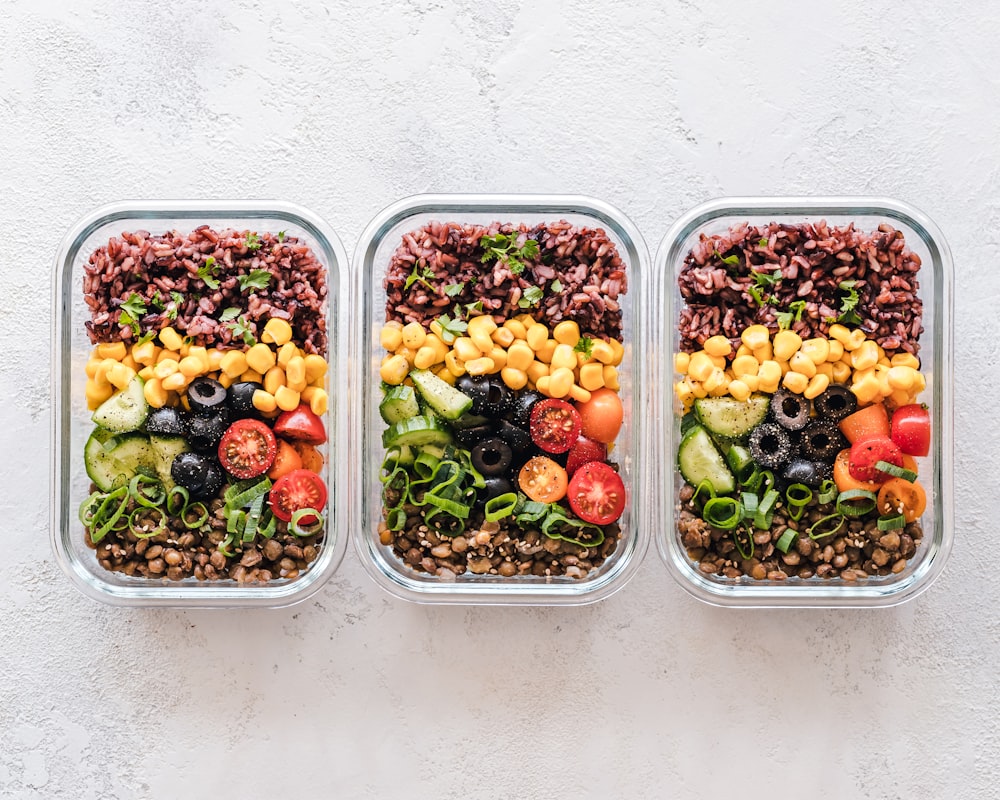
Low-Temperature Cooking
Slow and gentle heat methods that preserve heat-sensitive vitamins and proteins. Perfect for maintaining nutrient density in vegetables, fish, and poultry while developing deep flavors.
Sous vide • Poaching • Steaming
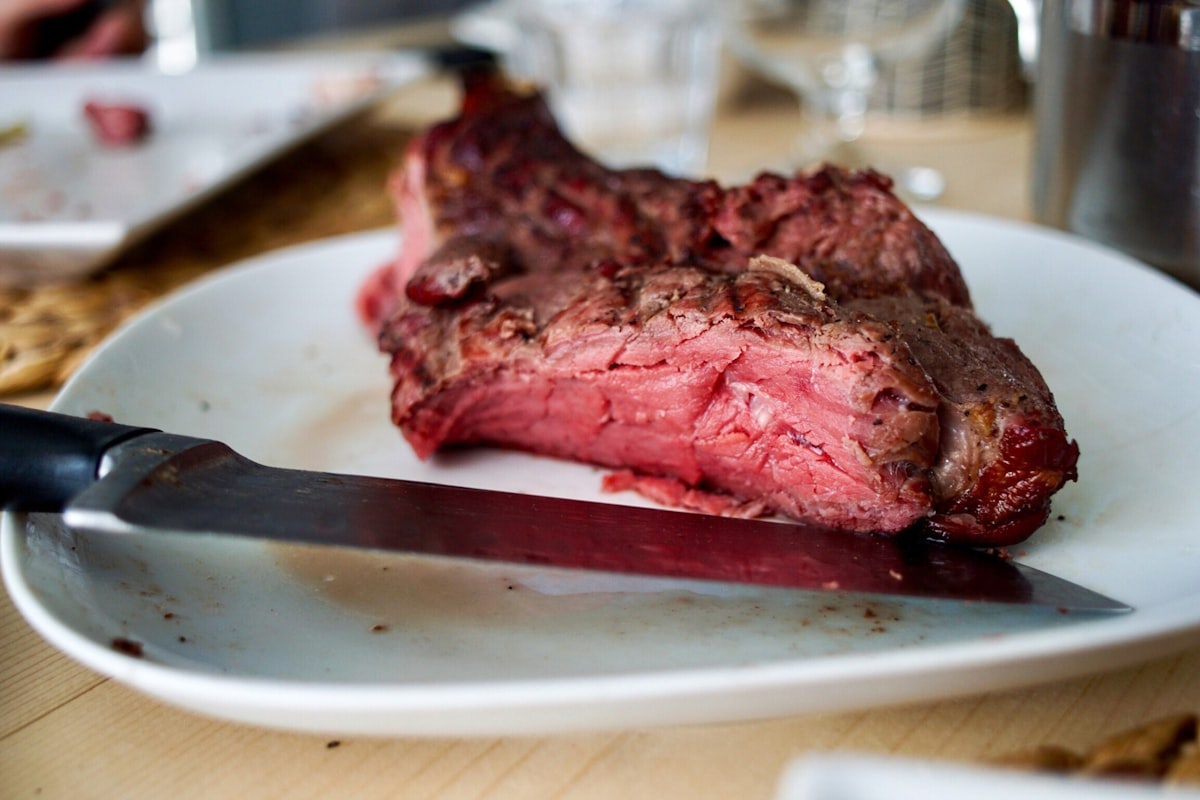
Fermentation & Preservation
Ancient techniques that enhance bioavailability and introduce beneficial microorganisms. Learn to create naturally preserved vegetables, beverages, and condiments at home.
Lacto-fermentation • Kombucha • Miso
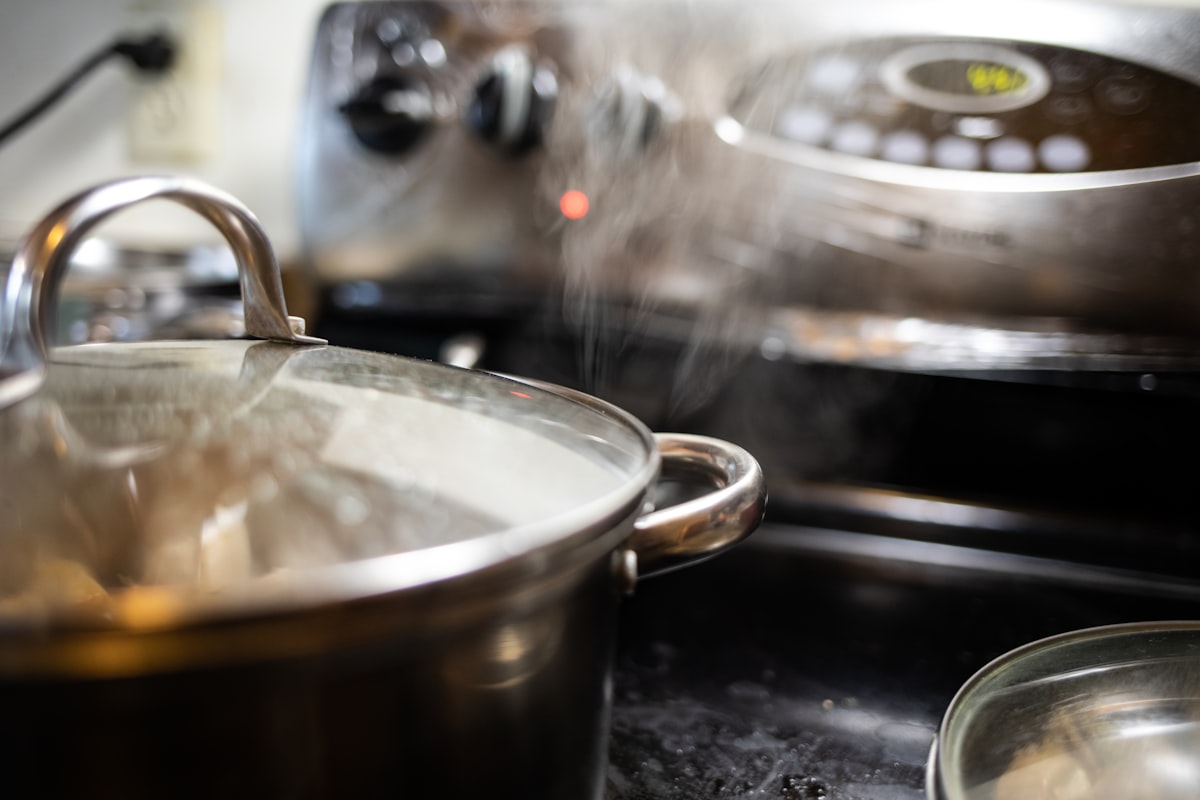
Plant-Based Protein Preparation
Specialized methods to prepare legumes, grains, and seeds for optimal digestion and nutrient absorption. Soaking, sprouting, and cooking techniques for complete plant proteins.
Sprouting • Soaking • Pressure cooking
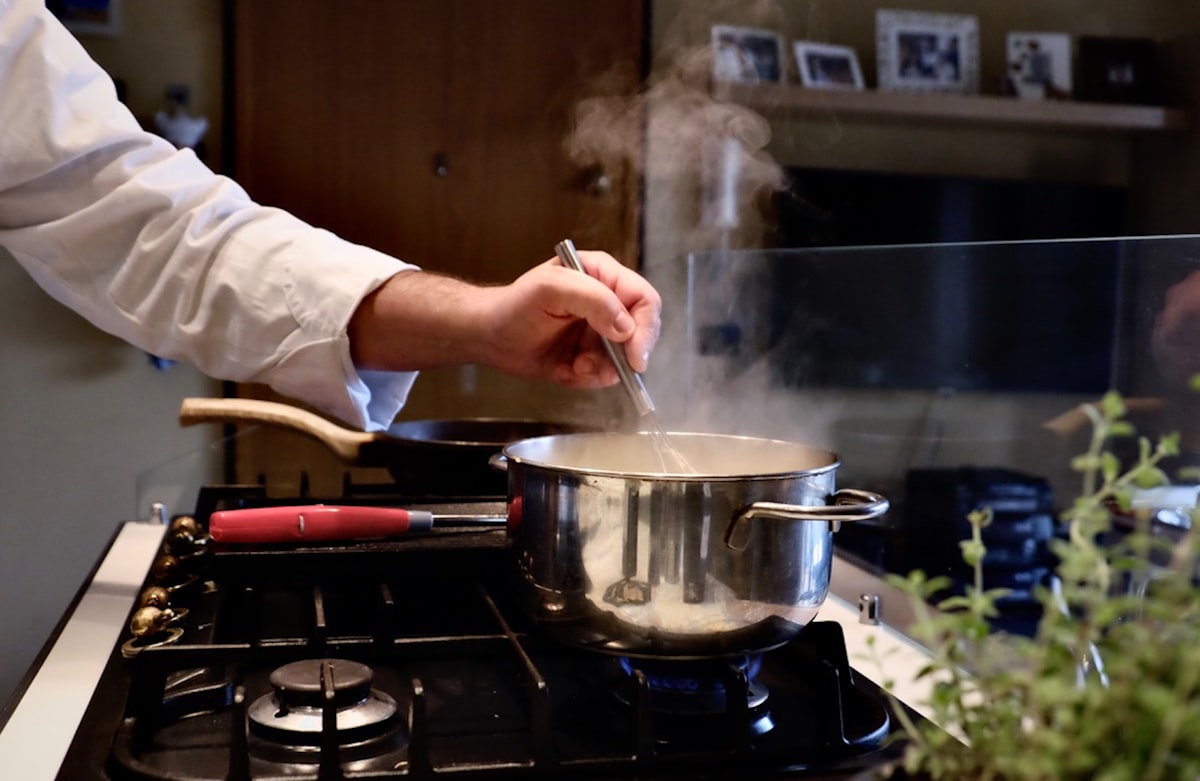
Raw & Living Foods
Techniques for preparing uncooked foods while maximizing enzyme content and nutritional integrity. Sprouting, blending, and food combining strategies for fresh meal preparation.
Sprouting • Blending • Slicing
Whole Food Baking
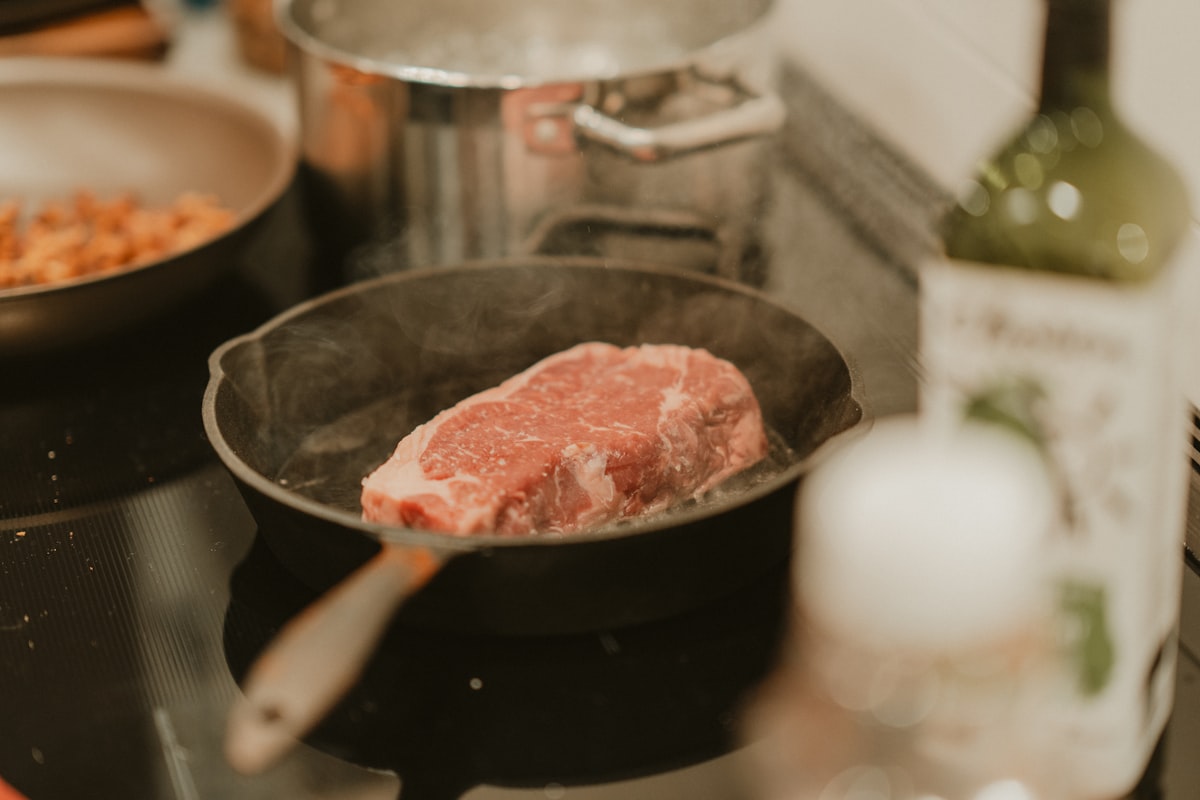
Baking methods using whole grains, natural sweeteners, and nutrient-dense ingredients. Learn temperature control and ingredient combinations for wholesome baked goods.
Sourdough • Whole grains • Natural leavening
Nutrient-Dense Broths
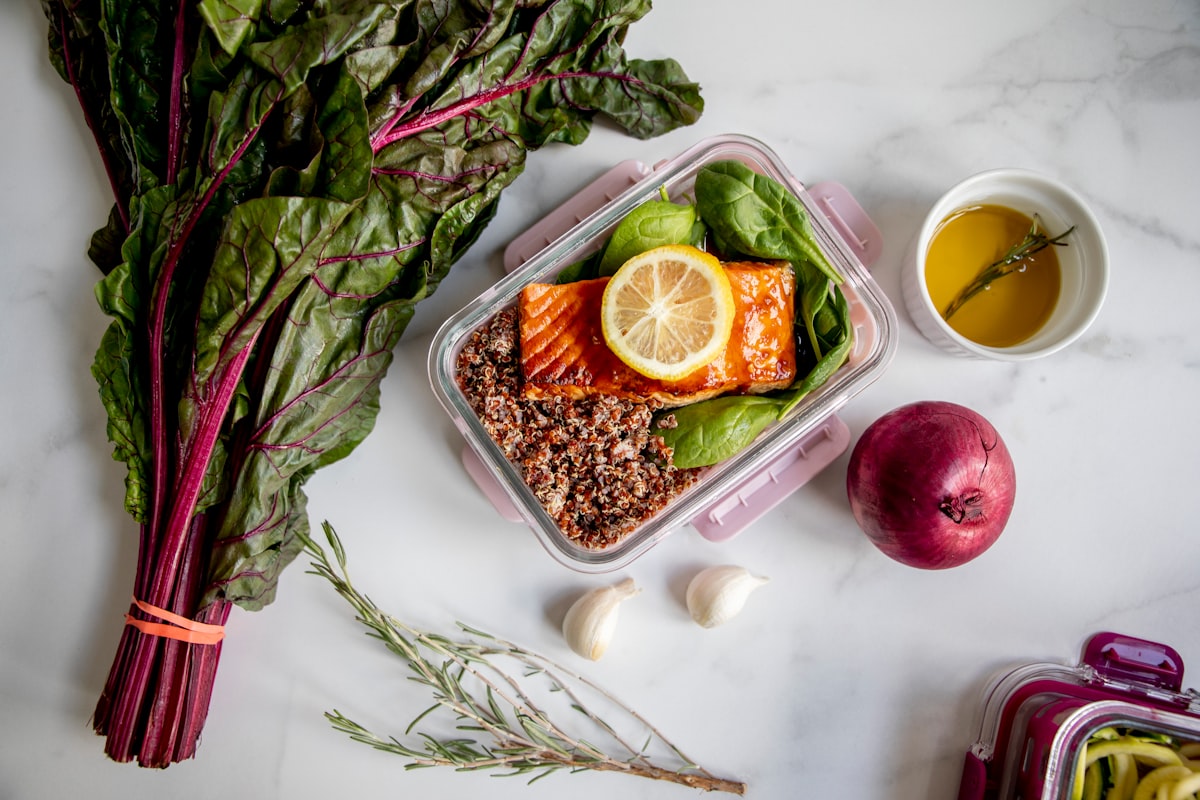
Long-simmering methods that extract collagen, minerals, and amino acids from bones and connective tissue. Foundation for wholesome soups and cooking liquids.
Slow simmering • Bone broth • Vegetable stocks
Browse by Cooking Method
The Five Pillars of Modern Healthy Cooking
Source Quality Ingredients
Begin with whole, unprocessed foods. Prioritize seasonal produce, heritage grains, and sustainably sourced proteins. Quality ingredients require less intervention.
Prepare Thoughtfully
Use soaking, sprouting, and gentle knife work to activate nutrients. Allow time for fermentation or marinating. Preparation enhances both nutrition and flavor development.
Cook at Proper Temperature
Match cooking method to ingredient type. Low temperatures preserve heat-sensitive nutrients. High heat creates beneficial compounds in some foods while protecting others.
Balance & Combine
Pair proteins with vegetables and healthy fats for complete nutrition. Strategic food combining enhances absorption. Consider seasonal harmony and flavor synergy.
Enjoy Mindfully
Prepare meals with intention and eat without distraction. Mindful consumption aids digestion and satisfaction. Connection to food completes the wellness cycle.
Featured Healthy Recipes
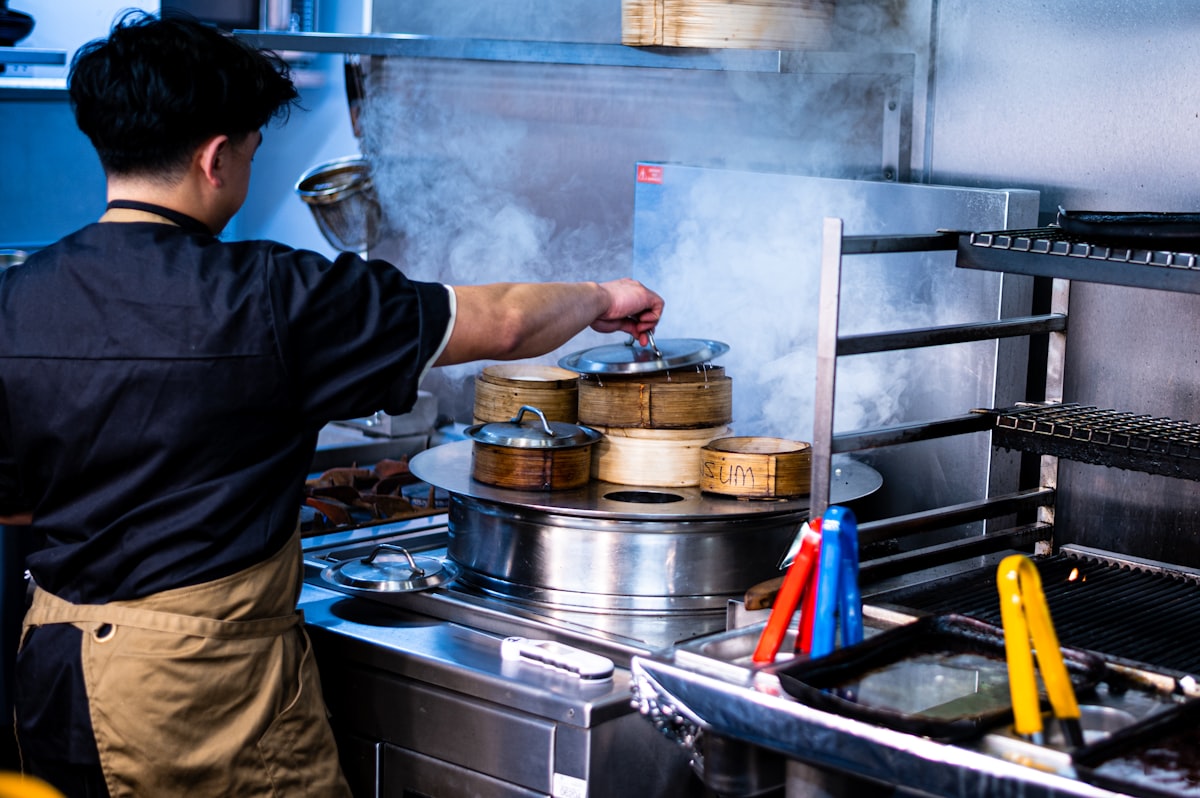
Sprouted Grain Buddha Bowl with Tahini Dressing
Learn how sprouting activates grains and seeds for complete proteins. This bowl combines sprouted quinoa, legumes, and fresh vegetables with a nutrient-dense tahini-lemon dressing for balanced, bioavailable nutrition.
Read the full recipe →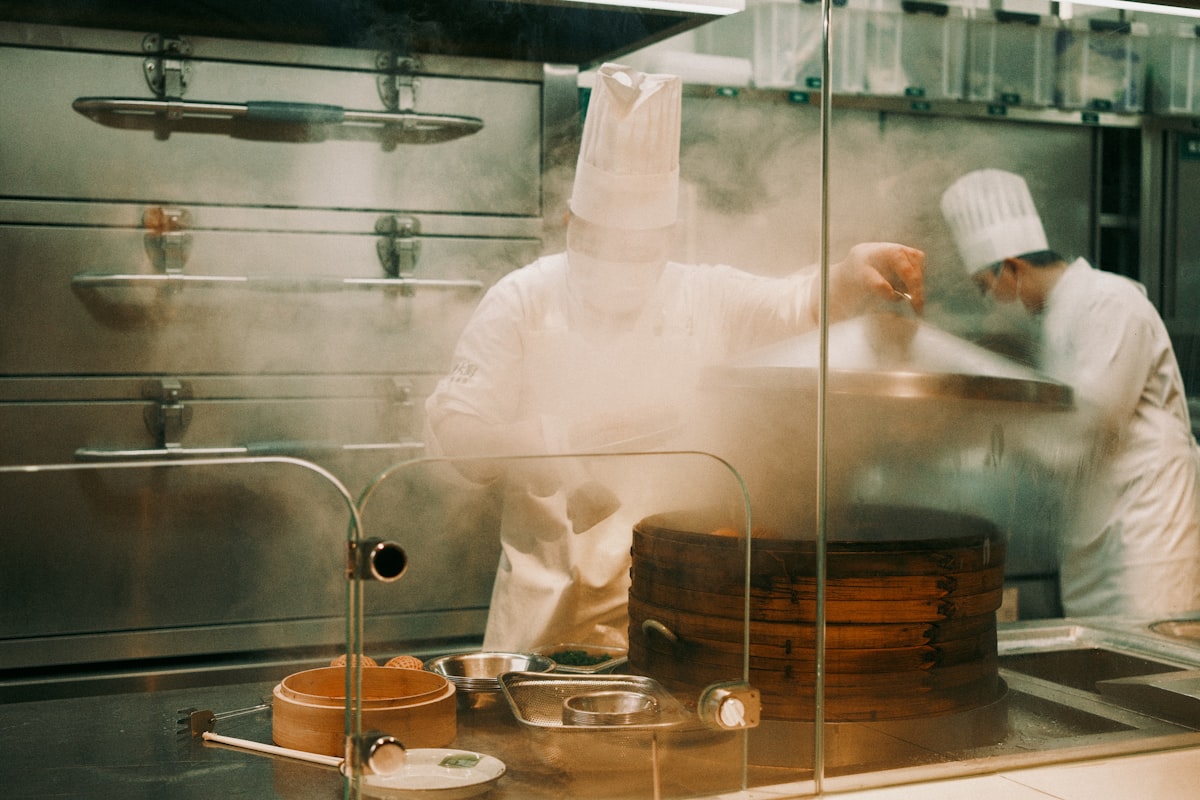
Sous Vide Salmon with Herb Infusion
Discover precise low-temperature cooking that maintains omega-3 fatty acids and delicate protein structure. This gentle method produces perfectly cooked salmon with vibrant color and enhanced mineral bioavailability.
Read the full recipe →What Home Chefs Say
"These modern cooking techniques completely transformed how I prepare meals. I learned that low-temperature methods preserve nutrients I was destroying with high heat. I feel more vibrant after meals, and my family loves how much better everything tastes now."
Maria González
Barcelona, Spain
"The fermentation techniques section opened my eyes to food preservation. I've successfully made my own fermented vegetables and the difference in taste and digestibility is remarkable."
Carlos Rodríguez
Madrid
"I was skeptical about sous vide cooking, but the precision and results are outstanding. The technique preserves so much more nutrition than traditional methods I was using."
Elena Martínez
Valencia
"The sprouting and whole grain preparation methods have become essential in my kitchen. Understanding proper technique makes such a difference in nutrient availability."
David López
Seville
Common Cooking Questions
Different vegetables have different optimal temperatures. Generally, low-temperature steaming (60-80°C) preserves water-soluble vitamins like C and B vitamins. Harder vegetables benefit from slightly higher temperatures (85-95°C) to soften fibers while maintaining nutrient density. The key is avoiding prolonged exposure to high heat. Steaming preserves more nutrients than boiling because vegetables don't leach into water.
Start Your Healthy Cooking Journey
Discover how Harmonic Meal Prep Lab explores evidence-based cooking techniques that enhance nutrition and simplify meal preparation for your everyday wellness.
Questions about cooking techniques or recipe development? Reach out to our editorial team at [email protected] or visit us in Barcelona.
About Harmonic Meal Prep Lab
Our Mission
We explore science-backed cooking techniques that preserve nutrition, enhance flavor, and support everyday wellness. Our editorial content focuses on practical methods for home cooks seeking to maximize the nutritional value of their meals through proper preparation and cooking techniques.
Located in Barcelona, we work with nutritional science experts and home cooking enthusiasts to create accessible guides on modern healthy cooking methods.
Get in Touch
Address: Calle Real 63, Barcelona
Email: [email protected]
Phone: +34 410 780 575
Send us feedback about our articles, cooking questions, or suggestions for future content.